Clarinet fundamentals guide for beginners
Clarinet fundamentals are the basics that make beginning clarinet playing work: how to assemble a clarinet, build a stable clarinet embouchure, produce a good tone, read the first notes, and use a clarinet fingering chart with confidence.
This beginning clarinet guide is written for middle school and early high school students who want a clear starting point. It follows the order that works best when you are starting: setup first, then first sound, first notes, beginner mistakes, and optional deeper reading.
Built from real teaching
Written by a band director with 20+ years of clarinet teaching experience.
You are getting the same fundamentals sequence many beginners use in their first weeks of clarinet.
Justin Berchtold is a music educator who built this page to help beginning clarinet students know what to do first.
Beginner Quick Start
Best if you are in 6th or 7th grade and need a guided starting point.
First Sound
How to play clarinet for beginners: first sound checklist
Use this beginning clarinet guide to assemble the instrument, form the embouchure, and produce a centered first note before moving on.
Before you play
How to assemble a clarinet
If the bridge key is misaligned or the mouthpiece setup is rushed, the rest of the page gets harder to use. Watch this once, then assemble before starting the checklist.
- 1. Align the bridge keys carefully between the upper and lower joints.
- 2. Twist joints together slowly instead of pushing straight in.
- 3. Add the mouthpiece, reed, and ligature only after the body is assembled.
Set the reed and mouthpiece first
Line the reed tip even with the mouthpiece tip and tighten the ligature so it does not slide.
Success looks like
The reed stays centered and the mouthpiece feels stable before you blow.
Warning sign
If the reed has shifted or one side sticks out, reset it before trying again.
Build the embouchure shape
Flatten the chin, keep the corners forward, and let the top teeth rest on the mouthpiece.
Success looks like
Your chin looks smooth and the corners stay firm instead of smiling back.
Warning sign
If the chin bunches up or the corners pull wide, the note will usually sound airy or squeaky.
Take in the right amount of mouthpiece
Place about one-third of the mouthpiece in the mouth with the reed resting on the bottom lip.
Success looks like
The first note speaks without biting and the reed can still vibrate freely.
Warning sign
Too much mouthpiece usually squeaks. Too little usually sounds thin and resistant.
Blow one steady stream of air
Take a full breath, keep the shoulders relaxed, and blow forward like a fast warm air stream.
Success looks like
The tone starts cleanly and stays steady for two counts.
Warning sign
If the note dies quickly, the air usually backed off before the sound locked in.
2-minute first-sound routine
- 1. Build the embouchure without the instrument five times.
- 2. Play one comfortable note for two counts, rest, and repeat five times.
- 3. If two attempts in a row fail, change only one thing: mouthpiece amount, air, or finger seal.
If the note still does not work
Stop on one note instead of adding more music. Recheck the setup, blow faster air, and test whether every finger pad is sealing before you try again.
Clarinet embouchure for beginners
A clarinet embouchure should feel firm and consistent, not tight. Set it the same way each time before you worry about harder notes.
Set it up
- • Chin stays flat, not bunched.
- • Corners stay forward instead of smiling wide.
- • Top teeth rest on the mouthpiece.
- • Bottom lip cushions the reed without rolling too far in.
Common mistakes
- • Taking too much mouthpiece and forcing a squeak.
- • Biting with the jaw instead of letting the air do the work.
- • Letting the corners collapse so the tone turns airy.
Quick troubleshooting
If the note pinches, reduce mouthpiece and relax the jaw. If the note leaks air, reset the corners first before changing reeds.
Producing a good clarinet tone
Good tone starts with air support. A beginner usually gets a better sound by blowing steadier air, not by squeezing harder with the face.
Quick tone steps
- • Blow through the start of the note instead of easing off.
- • Hold one note long enough to hear whether it stays centered.
- • Keep the air fast even on easy notes.
Common tone problems
- • Thin sound usually means weak air support or a loose seal.
- • A harsh sound usually means too much bite or too much mouthpiece.
- • Notes that die quickly usually need more air through the attack.
Quick troubleshooting
If the tone thins out, check air support before changing fingerings. If the note starts late, keep the air moving and simplify back to one long tone.
Hear Me and My Students Play
Great clarinet playing at different levels
Hear my students play
First Five Notes
Start with five notes that build your clarinet basics
These first notes on clarinet give you a small written B-flat clarinet range to learn well before adding more pitches: G, F, E, D, and C.
Start by assembling the clarinet, making one steady first sound, and then working through these five notes in order.
Why beginners start with a small note set
You improve faster when you repeat a few reliable notes instead of reaching for the whole range too early. G, F, E, D, and C let you match fingerings, read the staff, and build tone without guessing.
How to practice the first notes on clarinet
Hold each note for two counts, rest, and repeat. Then connect neighboring notes in pairs such as G-F or E-D before playing short patterns. Once those feel steady, add C and move back up to D or E before playing short patterns. When these notes feel stable, add a simple routine from the scale practice tracker.
Written pitch
G
Staff position
Second line of the staff
Quick tip
Start here if you want the easiest note to center. Match the fingering picture and keep the air steady through the start.
View fingeringWritten pitch
F
Staff position
First space of the staff
Quick tip
Use the same air as G and let the left hand stay relaxed instead of squeezing.
View fingeringWritten pitch
E
Staff position
First line of the staff
Quick tip
Keep the right-hand holes fully covered and do not back off the air when the note starts.
View fingeringWritten pitch
D
Staff position
Space below the first line
Quick tip
Keep every right-hand hole sealed before you blame the reed. D usually misses because one finger leaks.
View fingeringWritten pitch
C
Staff position
First ledger line below the staff
Quick tip
Let the note stay warm and supported. Low notes work best when you blow through the start instead of backing off.
View fingeringFingerings
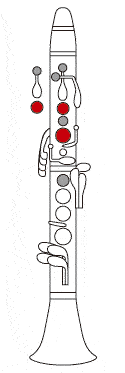
Clarinet Fingering Chart
Use this clarinet fingering chart after the first five notes feel familiar, or jump here when you need one specific written pitch.
Next step
Once these notes feel reliable, guided practice helps them stick.
If you want a step-by-step practice path after your first notes are working, Virtunity can guide the next stage without changing the fundamentals you are building here.
Common Beginner Problems
Why does my clarinet squeak, sound airy, or miss notes?
Use this quick clarinet beginner mistakes box when a note is not working and you need a fast self-check.
Squeaking
Possible causes
- • Too much mouthpiece
- • Biting with the embouchure
- • Fingers not covering the holes
Quick fix
Reset the mouthpiece amount, keep the chin flat, and check every finger seal before the next try.
Airy sound
Possible causes
- • Weak air support
- • Loose embouchure
- • A reed that is not lined up well
Quick fix
Take a fuller breath, keep the corners forward, and make sure the reed tip is centered with the mouthpiece tip.
Notes not speaking
Possible causes
- • Tone holes are leaking
- • Right pinky timing is late
- • Air backs off at the attack
Quick fix
Press the keys early, cover holes with the finger pads, and blow through the start of the note instead of easing off.
Reed issues
Possible causes
- • A chipped or split reed
- • A dry reed that has not settled
- • A reed that is too far off-center on the mouthpiece
Quick fix
Moisten the reed, line the tip up evenly with the mouthpiece, and replace the reed if the edge is damaged.
Troubleshooting
More detailed troubleshooting
Use this section when the quick problem boxes are not enough and you need a more specific correction.
What is going wrong
The reed is being closed off by too much mouthpiece or too much bite, so the vibration jumps to the wrong partial.
Try this first
Reset to about one-third mouthpiece, keep the corners firm-forward, and blow faster air instead of squeezing harder.
What is going wrong
The register key and fingering change are not lining up, or the air slows down right when the note needs to pop to the higher harmonic.
Try this first
Practice the move slowly. Press the register key and change fingers at the same instant while keeping the air moving forward.
Technique
The four habits that keep the basics stable
Use these as weekly clarinet tone exercises and habit checks after the first sound is reliable.
Tone production
Good tone starts with supported air, not jaw pressure. Keep the air moving even when the note feels easy.
Long tones are still the fastest way to stabilize pitch and embouchure. Hold one note and listen for a steady center instead of chasing volume.
Note Check
If written D4 keeps giving you trouble
Keep this short: notice what is going wrong, test one fix, then move to the next nearby note.
Current chart note: D4 with concert pitch C4.
Notice this first
- You will usually miss low notes when one finger is leaking or the low pinky arrives late.
- Low notes thin out fast when the air stops moving forward.
Fast fixes to try
- Cover every tone hole with the finger pad, not the fingertip.
- Keep the air warm and steady instead of backing away from the reed.
- Set the right pinky early if the note uses a bell or side key.
Practice this next
Start with response first. If this note is late, check leaks and pinky timing before you change your embouchure.
Next notes
Try 2 minutes on the setup, then alternate this note with its neighbors.
Anatomy
Know the parts that change the result fastest
This is the short version. Expand a card only if you need the extra context.
Mouthpiece + reed
This is the sound engine. If the setup is crooked, everything downstream feels harder.
Barrel
This is your fast tuning adjustment during warm-up.
Upper joint
Left hand lives here, including the register key on the back.
Lower joint + bell
Right-hand coverage and pinky timing decide whether low notes respond cleanly.
Care
Clarinet Care and Maintenance
Basic clarinet care and maintenance keeps practice honest: swab moisture out, store reeds correctly, avoid damage, and clean on a regular schedule.
Daily clarinet care basics
- • Swab the clarinet after every practice session.
- • Store the reed flat instead of leaving it on the mouthpiece.
- • Keep the clarinet in the case when it is not being played.
- • Clean the mouthpiece with warm water every week.
When fundamentals turn into audition prep
Once your tone and finger seals are reliable, you can move into the audition guides while keeping these care habits in place.
After every practice
Swab the bore, wipe the keys, and store the reed flat.
Every week
Clean the mouthpiece and rotate reeds so the response stays predictable.
Storage and repair
Heat, forcing stuck joints, and ignored pad leaks shorten the life of the instrument fast.
Understanding the Instrument (Advanced)
Understanding the Register Key (Optional Reading)
If you are just starting clarinet, you do not need this first. Come here when you want to understand what happens when you press the register key.
What it does
The register key opens a vent that lets the clarinet jump to a higher harmonic. On clarinet, that means a twelfth, not an octave.
Why it cracks
The move fails when the register key is early or late, the air slows down, or the left hand leaks during the change.
Best first drill
Slur slowly across one register move with a metronome. Fix the timing before trying to play it louder or faster.
Ready for the next step?
Keep your first notes steady with a clearer daily practice path.
Once your notes speak reliably, structured practice makes tone, rhythm, and finger control more consistent. If you want more guidance after this page, Virtunity is the next step.